

『Fuel Flow Meter Aircraft: Aviation Engine Mass Consumption Logbooks』Related information(v cone flow meter|rotary gas meter|gallon meter|gear meter|metal tube rotameter|glass tube rotameter|nutating disk meter|transit time ultrasonic flow meter|wedge flow meter|pd meters|hydraulic flow meter|ultrasonic water flow meter|water flow meter|air flow meter|magnetic water flow meter|oxygen flow meter|gas flow meter|argon flow meter|air velocity meter|gasoline flow meter|fuel flow meter|ultrasonic water meter|digital water meter|nitrogen flow meter|solid flow meter|Oxygen tank flow meter|digital water flow meter|diesel fuel flow meter|steam flow meter|02 flow meter|compressed air flow meter|oil flow meter|liquid flow meter)
Fuel Flow Meter Aircraft: Aviation Engine Mass Consumption Logbooks
Quick Answer: Aircraft engine logbooks demand mass consumption data, not just volume. Silver Automation Instruments supplies Coriolis mass fuel flow meters that read kg/h directly, removing the need for temperature and density corrections on Jet A-1 or AVGAS. The meter outputs 4-20 mA HART and RS485 Modbus, so you can feed digital data straight into your electronic logbook or paperless recorder.
Direct Mass Measurement Ends Logbook Guesswork
Pilots and MRO engineers do not want calculated numbers. They want the real mass of fuel burned per engine per flight. Volume-based sensors, like small turbine flow meters, drift with fuel temperature. A 15°C change in Jet A-1 can shift volume readings by nearly 1.5 percent. Over hundreds of flight hours, that drift adds up to tens of kilos of unaccounted fuel. Logbooks then show errors that trigger unnecessary engine trend alerts.
Here is the thing. Mass flow meters measure what matters. A Coriolis meter from Silver Instruments weighs fuel mass directly inside vibrating tubes. The output is kg/h, independent of temperature, pressure, or fuel batch changes. You do not need a separate densitometer. You do not need to correct for density in your DAQ. The value on the display is the mass flow that goes straight into the logbook. We have seen this on customer sites many times: a test cell engineer swaps from a turbine meter to our DN15 Coriolis, and the daily mass totals suddenly line up with fuel truck uplift figures.
What a Real Aviation Fuel Metering Setup Looks Like
In practice, most engine test cells and helicopter fuel rigs use a flow meter in the fuel supply line. The meter sends a mass flow signal to a cockpit indicator or to a paperless recorder. Silver Automation Instruments recommends a Coriolis mass flow meter with the following capabilities for Aviation Engine Mass Consumption Logbooks:
Direct mass flow range from 0.5 kg/h up to 8000 kg/h, depending on pipe size. Common line sizes are DN10, DN15, or DN25 on small turbine and piston engine test stands. For larger turbofan fuel loops, we supply DN40 or DN50. Accuracy is 0.1 percent of rate for liquids, which far exceeds the typical 0.5 percent requirement in engine maintenance manuals. The flow meter body is stainless steel 316L with Hastelloy C22 sensor tubes for long-term compatibility with Jet A-1, Jet B, AVGAS 100LL, and even biofuel blends. Process temperature rating covers -40 °C to +200 °C, so cold fuel at high altitude simulation is no issue.
For hazardous areas around fuel tanks and engine test bays, the transmitter comes with ATEX Zone 1 or Zone 2 approvals and Ex d or Ex ia protection. Output signals are 4-20 mA HART, pulse, and Modbus RTU. The Modbus register gives mass flow, totaliser, density, and temperature in one scan. Many automation panels want those four values for their logbooks. Last year a helicopter MRO in Malaysia asked us for a mass flow meter that logs fuel consumption during APU run-ups. They used our Coriolis with a paperless recorder, exporting CSV files for each run. The recorder stored date, time, mass total, and peak flow rate automatically. No handwritten logbook errors.
Why Choose a Silver Instruments Coriolis for Fuel Flow Logbooks
Most engineers skip this part, but it makes a big difference. Our flow meters have no moving parts in contact with fuel. There is no bearing to jam, no pad
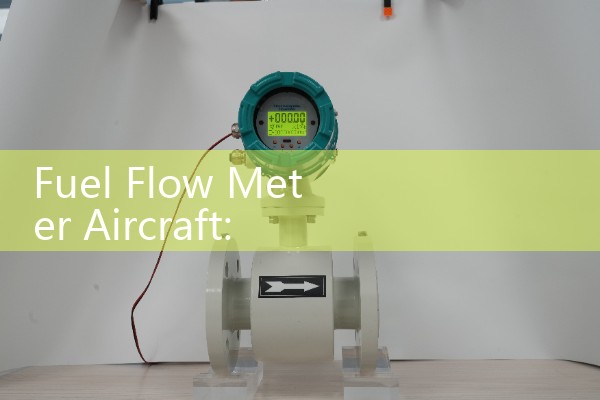
We also supply a matching paperless recorder with 5.6-inch colour touchscreen and 16 GB SD card. It can record mass flow, total, fuel temperature from a PT100 sensor, and fuel pressure from a separate 4-20 mA transmitter. You get a tamper-proof electronic log that tracks every engine run. Files can be imported into maintenance software or Excel. This setup cuts data entry errors and makes logbook reconciliation with refuelling records straightforward.
Key Parameters You Need to Specify
When you request a quote, share the fuel type, minimum and maximum flow in kg/h, operating pressure in bar, fuel temperature range in °C, and the pipe size (DN). Also tell us if you need ATEX or IECEx certification and whether you want a local display or remote transmitter. Send these details to [email protected]. You can also reach our application engineers by phone at +86-25-68650347 or WhatsApp +86-25-52155837. We reply within 24 hours with a specific model recommendation and price.
FAQ for Aviation Fuel Flow Meter and Mass Consumption Logbooks
1. Can a Coriolis mass flow meter measure Jet A-1 and AVGAS directly?
Yes. The meter is insensitive to fuel type changes. You can switch between Jet A-1 and AVGAS on the same rig without re-calibration. The meter will read true mass flow in kg/h for both fluids.
2. Do I need density correction for fuel mass logbooks with a Coriolis meter?
No. A Coriolis meter measures mass directly. Density changes due to temperature or fuel batch do not affect the mass flow reading. The logbook gets real mass data.
3. What certifications are required for installing a fuel flow meter on an aircraft test stand?
You typically need ATEX or IECEx certification for the zone classification of the test cell. Silver Instruments provides Ex-approved transmitters with intrinsically safe sensor connections. The meter also carries CE and SIL2 functional safety options for critical engine monitoring.
4. How do I get fuel mass consumption data into an electronic logbook?
Use the Modbus RTU or 4-20 mA output. Connect it to a PLC, DAQ, or our paperless recorder. The recorder stamps each reading with time and date and exports a digital log file that can be printed and signed as part of the engine logbook.
5. What is the smallest flow rate Silver Instruments can measure for a piston aircraft engine?
For engines consuming 5 kg/h to 50 kg/h, we recommend a DN6 or DN10 Coriolis meter. Turndown ratio can be 20:1 or better, so the same meter covers idle and full-power flow with high accuracy.
Send us your pressure (bar), temperature (°C), pipe size (DN), and flow range to get a specific model proposal. Email [email protected] or call +86-25-68650347. Our WeChat is +86 15365082610 for instant messaging support.
 Hot News
 Related AD